Carpet cleaning Richmond Station area expert tips: a practical guide for fresher, longer-lasting carpets
If you live or work around Richmond Station, carpets can take a surprising amount of daily wear. Mud on rainy days, drink spills after a quick coffee stop, pet hair, office footfall, and that slow build-up of dust all settle in. Carpet cleaning Richmond Station area expert tips matter because the difference between a carpet that merely looks tidy and one that genuinely feels clean is often in the small details.
This guide brings together the kind of advice people usually wish they had before trying to tackle a stubborn stain, booking a professional clean, or deciding whether a carpet is worth saving. You will find straightforward steps, local-minded practical tips, common mistakes to avoid, and the best way to judge when a job needs a deeper approach. Nothing fancy. Just useful, real-world guidance that can save time, money, and a fair bit of frustration.
Why Carpet cleaning Richmond Station area expert tips Matters
Richmond Station sits in a busy part of southwest London, and busy areas are hard on carpets. Foot traffic brings in fine grit that works like sandpaper under shoes. Rainy weather adds damp and soil. And if you have a family home, rental flat, small office, or guest-facing space, carpets can start looking tired long before they are truly worn out.
That is why good carpet care is not just about appearances. It is about preserving fibres, limiting odours, reducing embedded dirt, and keeping rooms feeling fresh rather than slightly stale. To be fair, most people only notice carpet condition when something goes wrong: a red wine mark, a muddy shoe trail, or that flat patch near a doorway that suddenly looks old.
Good cleaning habits also matter for property value and first impressions. If you are preparing for guests, moving out, or trying to keep an office presentable, carpets quietly do a lot of the work. A bright, clean floor changes the whole room. You feel it the moment you walk in.
If you are already thinking about a deeper refresh, it can help to explore a professional carpet cleaning service alongside other home care options such as deep cleaning or domestic cleaning. Sometimes the best result comes from treating the room as a whole, not just the carpet.
How Carpet cleaning Richmond Station area expert tips Works
At its core, carpet cleaning is about removing soil from the pile without damaging the backing, fibres, or texture. The method you choose depends on the carpet type, the level of soiling, and how much drying time you can allow. That part often gets overlooked, but it matters more than people think.
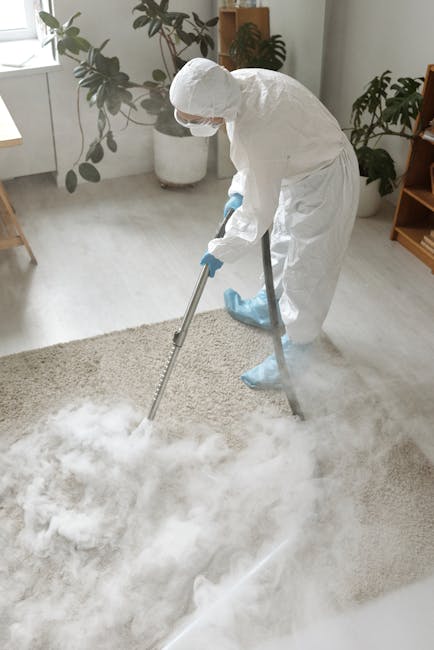
Most professional cleans follow a sensible sequence: inspect the carpet, identify fibre type and staining, pre-treat where needed, agitate or loosen embedded dirt, extract or rinse, and then dry the carpet properly. In some cases, that process may be adapted for delicate wool carpets, heavily trafficked hallways, or carpets affected by building dust.
There are also practical differences between quick spot treatment and full carpet washing. A stain remover may lift a mark on the surface, but grime deep in the fibres usually needs a more thorough method. That is why a quick fix can look fine for a day and then the mark returns. Annoying, yes. Very common too.
For homes or businesses with multiple flooring types, it can be smart to align carpet care with hard floor cleaning, especially in hallways, reception areas, and kitchens. Dirt travels. It always does.
Key Benefits and Practical Advantages
Proper carpet cleaning brings more than a cleaner appearance. The practical gains tend to show up in small, cumulative ways.
- Better first impressions: Clean carpets make rooms feel cared for, whether that is a family lounge or an office waiting area.
- Improved comfort underfoot: Dirt and grit can make carpet feel rougher and more compressed over time.
- Odour reduction: Spills, pets, and general use can leave a lingering smell that vacuuming alone will not fix.
- Longer carpet life: Removing abrasive dirt can help fibres keep their structure for longer.
- Better stain control: Fresh or well-managed stains are much easier to treat than set-in ones.
- More suitable living conditions: A cleaner carpet can make a room feel less dusty and more comfortable overall.
There is also a psychological effect, small but real. A freshly cleaned carpet makes the whole room feel lighter. You notice the cleaner edges near skirting boards. You notice the colour again. It is a subtle change, but it changes how the space feels when you sit down with a cup of tea after a long day.
Who This Is For and When It Makes Sense
This topic is relevant to a lot more people than you might expect. If you live near Richmond Station, chances are your carpeted spaces fall into one of these categories.
- Homeowners who want to keep living rooms, stairs, and bedrooms looking fresh.
- Tenants and landlords dealing with move-out condition checks, where a carpet clean can make a noticeable difference.
- Office managers looking after reception areas, corridors, and meeting rooms that see regular foot traffic.
- Families with children or pets who deal with spills, crumbs, fur, and the occasional mystery mark.
- Anyone renovating or redecorating who wants the carpets refreshed after dust and building debris have settled.
It makes sense to book a proper clean when vacuuming no longer restores the carpet's look, when stains start to spread under moisture, or when a room smells musty despite regular tidying. If the carpet feels flat and lifeless, that is often a clue too.
And yes, if the carpet is still in good condition structurally, cleaning can be a much smarter choice than replacing it. Replacement is expensive. Cleaning is often the thing people should have done months earlier.
For end-of-tenancy situations, a combined approach may be more efficient. A carpet refresh alongside end of tenancy cleaning can be a better use of time than trying to tackle each room separately at the last minute.
Step-by-Step Guidance
Here is a practical way to approach carpet cleaning without overcomplicating it. This is the routine that usually gives the best balance of safety, cleanliness, and drying time.
- Vacuum thoroughly first. Remove loose dirt before introducing any moisture. Skipping this step just turns dry grit into muddy paste. Not ideal.
- Identify the carpet type. Wool, synthetic, and blended fibres react differently to heat, detergent, and moisture.
- Test any spot treatment. Try it on a hidden corner first, especially if the carpet is patterned, dyed dark, or older.
- Pre-treat problem areas. Stains near entrances, under tables, or around pet areas usually need extra attention.
- Use the right cleaning method. Light surface marks may respond to controlled spot cleaning, while deep dirt usually needs extraction or a professional clean.
- Work in sections. That keeps the process manageable and reduces the risk of overwetting one area.
- Rinse or extract properly. Residue left behind can attract dirt more quickly, which defeats the point.
- Dry the carpet well. Open windows where possible, use airflow, and avoid heavy foot traffic until the pile is properly dry.
- Brush the pile if needed. A gentle grooming motion can help the carpet dry more evenly and look tidier.
If you are dealing with a larger clean across multiple rooms, it is often helpful to think in terms of room order. Start in the room you use least, then move toward the higher-traffic areas. That way you are not walking over damp carpet on the way out. Simple, but useful.
Expert Tips for Better Results
These are the small decisions that usually separate an okay clean from a really good one. Nothing dramatic. Just the sort of detail that saves you from redoing the job later.
- Act quickly on spills, but blot, don't rub. Rubbing pushes the stain deeper and can rough up the fibres.
- Use less water than you think. Overwetting is one of the quickest ways to create long drying times and lingering smells.
- Work from the outside of a stain inward. This helps stop it spreading into a bigger ring.
- Mind the temperature. Hotter is not always better, especially with wool or older carpet.
- Keep a small kit at home. A white cloth, a mild carpet spot cleaner, and a soft brush can handle many day-to-day incidents.
- Pay attention to entrances. The cleanest-looking rooms often have one or two dirty paths that need extra treatment.
- Deodorise only after cleaning. Spraying fragrance on top of dirt just gives you scented dirt, which is not a win.
In our experience, the best long-term improvement comes from a regular routine, not a once-a-year panic clean. A quick vacuum, immediate blotting, and the occasional deep refresh go a long way.
If you have upholstered furniture nearby, it may be worth coordinating with upholstery cleaning or even sofa cleaning. Otherwise you can end up with a spotless carpet and a rather tired-looking sofa sitting right on top of it. Bit awkward, really.
Common Mistakes to Avoid
A lot of carpet damage comes from good intentions. People are trying to solve the problem quickly and accidentally make it worse. Let's face it, we have all done something like that at least once.
- Using too much detergent: Soap residue can leave the carpet sticky and attract dirt faster.
- Scrubbing aggressively: This can fray fibres and make the stain area look fuzzy or worn.
- Ignoring fibre type: What works on synthetic carpet may be too harsh for wool.
- Cleaning only the visible mark: The surrounding area often holds the real dirt line.
- Walking on damp carpet too soon: This can flatten the pile and spread dirt back into the fibres.
- Leaving pet accidents untreated: Odour can set in and become harder to remove later.
- Assuming old stains are impossible: Some are stubborn, yes, but not all are a lost cause.
Another common mistake is treating carpet cleaning as purely cosmetic. It is partly about appearance, sure, but it is also about maintenance. The longer grit and residue sit in the pile, the more likely the carpet is to age unevenly. Small things add up.
Tools, Resources and Recommendations
You do not need a huge toolkit to keep carpets in decent shape. A few sensible items are usually enough for day-to-day maintenance, while deeper jobs may justify a more specialised approach.
| Tool or item | Best use | Why it helps |
|---|---|---|
| Vacuum with strong suction | Routine maintenance | Removes dry soil before it settles deeper |
| White microfibre cloths | Spill treatment | Lets you blot without transferring dye |
| Soft brush | Gently lifting fibre after cleaning | Helps the pile recover and dry evenly |
| Carpet spot cleaner | Small isolated stains | Useful when used carefully and sparingly |
| Professional cleaning machine or service | Deep cleaning | Better for embedded dirt, larger areas, and tougher residues |
For many households, the smartest route is to use a domestic spot kit for minor incidents and book a more thorough clean when the carpet starts looking dull overall. If you are comparing service providers, checking pricing and quotes can help you understand what is included and avoid surprises later.
Where carpet care is part of a bigger tidy-up, you may also want support from one-off cleaning or home cleaners. That is especially handy when you are preparing for guests, managing a busy household, or simply trying to get everything back under control after a hectic month.
Law, Compliance, Standards, or Best Practice
For most households, carpet cleaning is a practical maintenance task rather than a regulated process. Still, best practice matters, especially for businesses, landlords, and anyone working around the public.
In the UK, cleaners and cleaning companies are generally expected to follow sensible health and safety practice, use products responsibly, and manage risks such as slips, wet floors, and chemical exposure. If a service provider is handling your carpets, it is reasonable to expect clear communication about drying time, access arrangements, and any care instructions for delicate fibres.
If you are booking help for a workplace, the housekeeping around the job matters too. Floor signs, ventilation, and planned access are not just nice extras. They reduce risk and make the job smoother. A professional cleaning company should be able to explain how they handle that in everyday practice.
It is also worth checking insurance and safety information before work begins, especially if the property has high-value flooring, stairs, or areas used by children, guests, or staff. A careful approach is not overkill. It is just sensible.
For environmental awareness, some customers also prefer providers who consider water use, cleaning residue, and waste handling. If that matters to you, a page like recycling and sustainability can help show how a company thinks about the wider impact of the service.
Options, Methods, or Comparison Table
There is no single best carpet cleaning method for every situation. The right choice depends on soil level, carpet material, and how quickly the room needs to be usable again. Here is a simple comparison.
| Method | Best for | Pros | Trade-offs |
|---|---|---|---|
| Vacuuming only | Routine upkeep | Fast, low-cost, easy to repeat | Does not remove embedded grime or stains |
| Spot cleaning | Fresh spills and small marks | Targeted, quick, useful between deeper cleans | Can leave tide marks if used badly |
| Low-moisture clean | Light to moderate soiling | Usually faster drying | May not suit very deep contamination |
| Hot water extraction | Heavily used carpets and thorough refreshes | Good for deep soil removal | Needs proper drying and can be too much for delicate carpets if misused |
| Professional combined treatment | Stubborn stains, large properties, mixed flooring needs | More tailored approach, better risk control | Usually costs more than basic DIY maintenance |
There is a lot to be said for matching the method to the problem. A tired hallway carpet is not the same as a single coffee spill under a desk chair. And frankly, treating them the same is how people end up disappointed.
Case Study or Real-World Example
A realistic example: imagine a small flat near Richmond Station with carpet in the lounge and bedroom. The lounge carpet looks generally fine, but there is a darker path from the door to the sofa, plus a faint smell that shows up more clearly when the windows have been shut overnight. The bedroom has one old tea stain that has been ignored for months.
The most sensible approach would be to vacuum thoroughly, treat the tea stain carefully, and then do a deeper clean across the main traffic areas rather than only the visible spot. If the lounge is furnished, moving a few items to clean the edges of the room can reveal just how much dirt collects where the skirting board meets the carpet. That is usually the bit people forget.
In a small office near the station, the pattern may be different. The carpet often looks acceptable in the centre but picks up soil around the entrance, under desks, and along the route people take to the kettle. A more structured clean there might be paired with office cleaning so the whole space feels presentable rather than only the floor. The result is less about luxury and more about keeping the place comfortable for everyone who walks through the door.
That sort of job rarely needs drama. It just needs the right order, the right method, and a bit of patience while the carpet dries. Nothing glamorous, but it works.
Practical Checklist
Use this checklist before, during, or after a carpet clean. It keeps things simple.
- Vacuum the whole carpet first, including corners and edges.
- Identify any stains before applying liquid.
- Check whether the carpet is wool, synthetic, or blended.
- Test cleaning products in a hidden spot.
- Blot spills rather than scrubbing them.
- Use minimal product and controlled moisture.
- Allow enough drying time before walking on the carpet.
- Improve airflow with open windows or gentle ventilation where possible.
- Brush the pile lightly if it looks matted after cleaning.
- Book a deeper clean when vacuuming stops being enough.
If you want a slightly more complete refresh of the property, a carpet clean can be paired with window cleaning or house cleaning. That is often the point where a room really starts to feel reset, not just tidied.
Conclusion
Carpet cleaning around Richmond Station is really about consistency, not heroics. If you keep grit under control, deal with spills promptly, choose the right method for the fibre, and allow proper drying time, your carpet will usually repay you with a cleaner look and a longer life.
The best expert tips are often the least dramatic ones: vacuum well, blot quickly, avoid excess water, and do not wait until the carpet looks obviously bad. By the time it looks obviously bad, you are already a bit late.
For homes, rentals, and workplaces alike, a thoughtful clean can make the whole space feel calmer and more welcoming. And that, truth be told, is often the real value people are after.
Get a free quote today and see how much you can save.
Frequently Asked Questions
How often should carpets near Richmond Station be cleaned?
It depends on traffic, pets, children, and whether the carpet is in a home or workplace. Busy areas usually need deeper cleaning more often than quiet bedrooms. If the carpet starts to look dull, feel sticky, or hold odours after vacuuming, that is usually your sign.
What is the best way to remove a fresh carpet stain?
Blot the stain gently with a clean white cloth and work from the outside inward. Avoid rubbing, because that tends to spread the stain and work it deeper into the fibres. If needed, use a small amount of suitable spot cleaner and test it first.
Can I clean a wool carpet myself?
Yes, but you need to be more careful with moisture and cleaning products. Wool carpets can react badly to harsh chemicals or excess water. A gentle, fibre-safe approach is best, and if in doubt, professional help is usually the safer option.
How long does carpet cleaning usually take to dry?
Drying time varies depending on the method used, ventilation, carpet thickness, and room temperature. Low-moisture methods usually dry faster, while deeper cleans can take longer. Good airflow makes a big difference. A damp carpet should not be walked on heavily too soon.
Is professional carpet cleaning worth it for small flats?
Often, yes. In smaller spaces, carpets can pick up everyday dirt very quickly, especially near doors and sofas. A professional clean can restore freshness and help a flat feel much more pleasant without the expense of replacement.
What should I ask before booking a carpet cleaner?
Ask what method they use, how they handle different carpet fibres, what drying time to expect, and whether stain treatment is included. It is also sensible to ask about insurance, access requirements, and any aftercare advice.
Can carpet cleaning remove old stains completely?
Sometimes, but not always. Some stains soak deeply into the fibres or react with the carpet dye, which means full removal is not guaranteed. A good cleaner should be honest about what is likely to improve and what may only lighten.
Will carpet cleaning help with odours?
Yes, especially if the smell is caused by trapped dirt, food, pets, or general use. Deep cleaning is usually much more effective than masking the smell with fragrance. If the odour comes from moisture damage or something underneath the carpet, that may need a different solution.
Is there a difference between carpet cleaning for homes and offices?
Yes. Offices often have heavier traffic in entrance paths and around desks, while homes may have more spills, pet issues, and mixed fabric concerns. The method and scheduling should fit the space, so people are not interrupted too much.
Do I need to move furniture before carpet cleaning?
Usually, some light items should be moved, but not everything has to be shifted in every job. Large or heavy furniture can often stay in place depending on the cleaning plan. It is best to confirm this before the appointment so there are no surprises.
What is the biggest mistake people make with DIY carpet cleaning?
Using too much water or detergent is probably the most common mistake. Both can leave residue behind, slow drying, and create a new dirt-attracting problem. Gentle, controlled cleaning nearly always works better than a heavy-handed approach.
When should I replace a carpet instead of cleaning it?
If the carpet is badly worn, has permanent structural damage, or holds stains and odours even after proper treatment, replacement may be the better choice. But if the fibres are still sound, cleaning is often worth trying first. More often than not, there is life left in it.